A salesperson can create an effective pitch using value selling. This approach helps build strong customer relationships, saves time, and increases profit. To improve your sales strategies, learn about value selling.
This article defines value selling, explains its benefits, and outlines its key components.
What is Value Selling?
Value selling is a sales strategy that focuses on the benefits a product or service offers to a customer. Instead of just talking about cost, value sellers highlight the worth a product can bring. This methodology shows customers how a product can increase their profits or improve their lives.
This type of selling is solution selling as it identifies customer needs and offers the best solutions. Salespeople often use value selling in B2B interactions to show businesses the return on investment from a purchase. However, it can be used with any customer to build relationships and increase sales opportunities.
Why Use a Value Selling Framework?
A value-selling framework helps tailor your approach to meet customer needs. It encourages understanding the customer’s pain points. This strategy focuses on benefits rather than features. Value selling builds trust and strengthens customer relationships, leading to increased sales and long-term partnerships.

Value Selling vs Traditional Sales Approaches
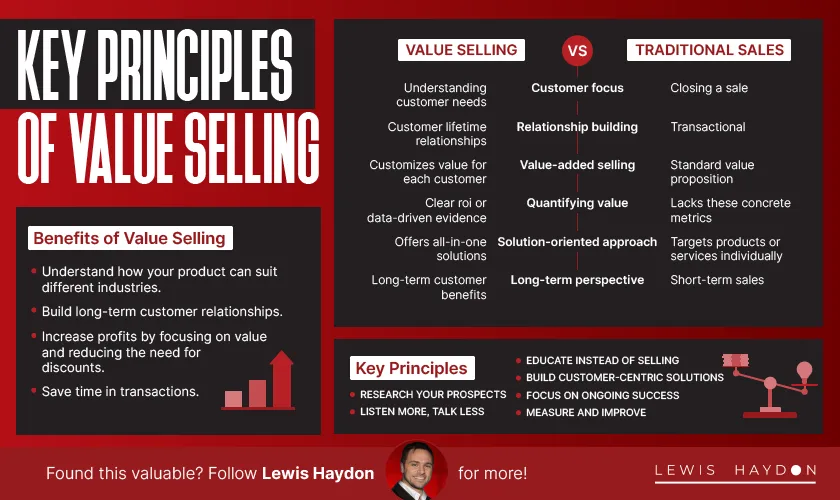
Value-based selling differs from traditional selling in several ways:
- Customer focus: Traditional selling focuses on closing a sale, while value-based selling emphasizes understanding customer needs.
- Relationship building: Traditional selling is transactional, whereas value-based selling values customer lifetime relationships.
- Value-added selling: Traditional selling uses a standard value proposition. Value-based selling customizes the value proposition for each customer.
- Quantifying value: Value-based selling uses clear ROI or data-driven evidence. Traditional selling lacks these concrete metrics.
- Solution-oriented approach: Traditional selling targets products or services individually. Value-based selling offers all-in-one solutions.
- Long-term perspective: Value-based selling aims for long-term customer benefits. Traditional selling targets short-term sales.
What are the Benefits of Value Selling?
Some of the most important benefits of value selling include:
- Understand how your product can suit different industries. Using the value selling process reveals the usefulness of your product beyond its features. Learning about different industries helps you connect with future customers.
- Build long-term customer relationships. Sell based on value rather than price to show you care about their journeys. This strengthens and extends your relationships.
- Increase profits by focusing on value and reducing the need for discounts. Customers who see the measurable benefits of your product better understand the pricing.
- Save time in transactions. Clear communication of product benefits reduces price haggling, streamlining the purchase process.
Key Principles of the Value Selling Framework
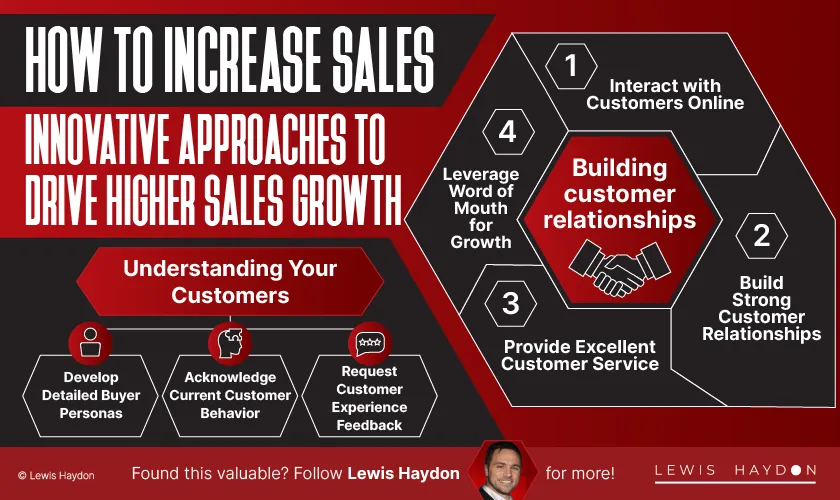
Customers who trust your team and product tend to stay loyal. How can your sales reps excel at value selling? They understand their customers, improve their listening and communication skills, and know how to improve sales skills through consistent practice, feedback and a strong sales training platform. Here’s a closer look at the basics to help your sales team succeed with value selling:
Research Your Prospects
Value-based selling focuses on prioritizing the buyer’s needs. Your outreach must be relevant, which requires researching your prospect beforehand. You should know about their company status, industry changes, and current challenges they face.
LinkedIn is a good starting point for finding prospects. Reps often research online, and some use ChatGPT 4 to speed up the process. Another strategy is bottom-up selling, where you gather information from users first. This approach helps you enter sales conversations with a solid understanding of the company and its pain points.
Listen More, Talk Less
Jumping straight into a sales pitch can be tempting, especially after researching the prospect. However, let them discuss their situation and needs first. This approach may slow down closing the deal, but it builds trust and provides crucial information. Tailor your solution to resonate with them, increasing the chances of success for the sales process.
Educate Instead of Selling
Establish yourself as a go-to industry expert for advice, and buyers will think of you first when making decisions. You can share guides, blogs, and research from sources like Gartner, Forrester, and IDC to help prospects understand their challenges and the available solutions. Sharing success stories from past clients with similar issues builds prospects’ confidence in choosing your product or service.
Build Customer-Centric Solutions
Creating customer-centric solutions means designing offers tailored to each person’s needs. To do this, focus on understanding specific customer problems and offering custom solutions that add value. Adapt your product features to align with what customers seek and ask customers for feedback to refine these solutions continuously.
Focus on Ongoing Success
Value-based selling continues after the sale. Support your customers’ long-term success with ongoing help and resources. When customers trust your sales team to solve their problems, they are likely to choose your solutions again. Regular follow-ups, training sessions, and updates show your dedication to their satisfaction, helping to build lasting relationships and potential extra revenue.
Measure and Improve
Sales leaders should monitor engagement levels, customer satisfaction scores, sales metrics, and retention rates to assess the impact of value selling. Analyze this data to find improvement areas and adjust your selling approach.
Conduct regular reviews of deals won and lost to learn why customers chose your solution or a competitor’s. This helps identify the strengths and weaknesses of your sales strategy.

Building Credibility Through Real-Life Examples
To succeed in value-based sales, identify what emotionally connects with each prospect. Understanding and addressing their priorities early in the sales cycle simplifies engagement.
Qualitative Value-Based Selling
A qualitative approach to value-based selling highlights the intangible benefits of your product or service. During a sales call, focus on how your solution will improve your customers’ daily experiences. Identify your prospect’s pain points and inefficiencies, explaining how your offering can solve these problems. For instance, emphasize that your product simplifies user experience and streamlines team workflows.
Financial Value-Based Selling
Businesses aim to improve profits, so demonstrating how your product saves money or boosts revenue is effective. Concrete data like case studies and ROI analyses can be used to show financial benefits. Explain how your solution reduces costs, increases efficiency, or drives sales growth. Present clear, quantifiable economic benefits to create a strong value proposition that appeals to your prospect’s financial interests.
Differentiation Value-Based Selling
Differentiate your solution by highlighting unique features, superior performance, or exceptional service. Identify what makes your prospect unique and align your solution with their industry and goals. Show how your product supports their brand’s strengths and helps them reach their objectives. For example, if you offer a packaging solution for food products, emphasize its 100% biodegradable materials from plant-based sources. This positions your client as a forward-thinking and environmentally conscious brand.
Security Value-Based Selling
Addressing your prospects’ specific fears and vulnerabilities will give them peace of mind. A roadmap with solutions that improve security without adding risk is crucial. Show how your solution can reduce risks and strengthen security. Describe how your product has helped other companies avoid risks or handle tough situations. For instance, if you offer a cloud storage solution, highlight its advanced encryption features that keep data safe and compliant with industry regulations.
FAQs
What are the main challenges of value-based selling?
Value-based selling faces some hurdles. Sales reps must deeply understand the customer's needs and priorities. They need to resist rushing to pitch their product or service. Creating tailored solutions requires time and effort. Sales teams must also adapt to changes in customer needs and market trends. Maintaining strong relationships with customers after the sale is crucial. Consistent follow-ups and feedback are vital for continuing success.
What are some effective ways to identify a prospectu2019s needs?
Identifying a prospectu2019s needs is crucial for effective selling. Hereu2019s how you can do it:nn
- Listen carefully to what the prospect says.
- Ask open-ended questions to gather information.
- Observe non-verbal cues during conversations.
- Research the prospectu2019s industry and common challenges.
- Analyze past interactions and feedback.
- Use surveys or questionnaires for detailed insights.
- Regularly review and update your understanding of their needs.
What industries benefit most from value selling?
Value selling applies to industries like technology, healthcare, manufacturing, and finance. Businesses aiming to stand out and show their offerings' value can gain from value selling.