Businesses everywhere aim to increase sales numbers. Many have even built entire ventures around advising on this. However, despite the help available, sales rarely skyrocket for most companies. They often adjust their marketing and websites to improve sales, with mixed outcomes.
But what if boosting sales didn’t mean jumping through hoops or paying high fees to advisors? This article discusses how to improve sales with the right tools, technologies, and relationship-building strategies. It also offers practical tips to help you achieve excellent results in 2024 and beyond.
Why is Increasing Sales Important?
Increasing sales is crucial for business sustainability and growth. Revenue from sales keeps operations running smoothly. It helps in expanding product lines or services. Implementing an effective sales funnel strategy can help guide prospects through each stage of the buying process, increasing conversions and ultimately driving higher profits. This, in turn, allows businesses to invest back into their operations and stay competitive. It also offers the potential for new employment opportunities within the company. Thus, focusing on increasing sales is essential for long-term success.
Why Should You Focus On Increasing Online Sales?
Focusing on online sales is vital to reaching a broader audience and growing a successful ecommerce business. The Internet connects companies with potential customers worldwide. Selling online allows businesses to operate beyond traditional hours. This increases opportunities for making sales at any time. Online platforms offer tools that simplify tracking and analyzing customer behavior. These insights help businesses tailor their approaches and improve sales strategies. Investing in online sales can lead to significant growth in revenue and customer reach.
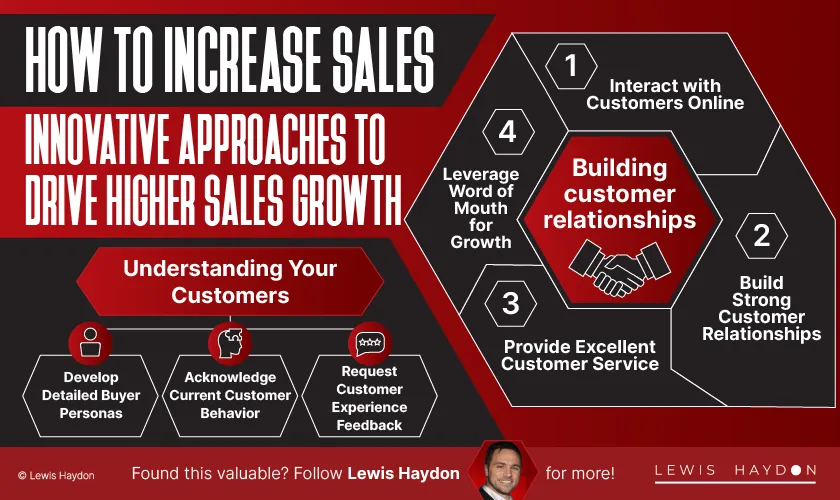
Understanding Your Customers
Understanding your customers is key to sales success. Knowing their pain points, challenges, and goals helps you create a product that truly connects with them. Learn about their workflows, preferences, and desired outcomes to tailor your product features for a seamless solution. This approach boosts user satisfaction and builds strong relationships based on trust and loyalty. Your customers are more than just buyers; they are partners in mutual growth. Embrace their feedback, improve your offerings, and consistently deliver value that meets their needs to increase sales.
Develop Detailed Buyer Personas
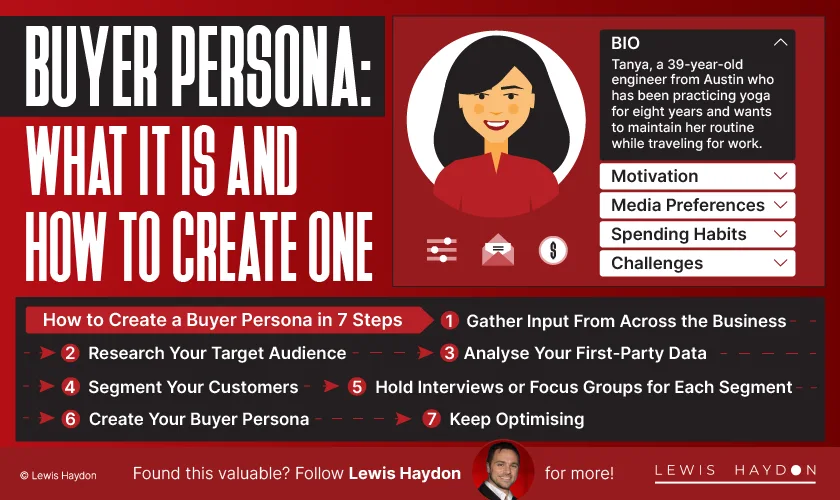
A buyer persona represents your ideal customer, created from audience and market research. It includes key information about your target customer, such as demographics, behavior, interests, and challenges. This helps you reach them more effectively and meet their needs. The best buyer personas are based on market research and insights from surveys and interviews with your existing and potential customers. This process helps identify patterns and trends, allowing you to tailor your marketing messages and offers to each segment. Use tools like web analytics, CRM systems, surveys, and feedback platforms to track and segment your customers.
Acknowledge Current Customer Behavior
Understanding current customer behavior aids in crafting effective sales strategies. Gather data from website analytics, purchase history, and social media interactions to gain insights. These insights reveal buying patterns and preferences. Observing these trends helps you predict future customer actions. Tailoring your products and services to align with these patterns improves customer satisfaction and loyalty. Keep an eye on changes in behavior to stay competitive and meet customer expectations consistently.
Request Customer Experience Feedback
Customer experience feedback is crucial. Ask customers to provide honest opinions about your products and services. Use surveys, reviews, and direct communication to gather this information. Listening to feedback helps identify strengths and weaknesses. Addressing concerns improves customer satisfaction. Satisfied customers are more likely to become repeat buyers. This leads to increased sales over time. Implement changes based on feedback to show customers you value their input.
Optimizing the Sales Funnel
Simplifying the sales funnel is essential. Start by identifying the stages in your funnel. Examine each step for complexity. Look for ways to make it easier for customers. Reducing unnecessary steps can speed up the process. This decreases drop-offs and increases conversions. Ensure your messaging is clear at each stage. Make it simple for potential buyers to understand the value of your product. Use straightforward language and visuals. Clear paths improve customer experience and drive sales growth.
Use the Sales Funnel Model to Maximize Conversion
The sales funnel model helps guide customers from awareness to purchase. It has several stages: awareness, interest, decision, and action. Optimize each stage to maximize conversion rates. Begin with attracting attention through advertising and social media. Generate interest with compelling content and offers. Encourage decision-making by highlighting benefits and unique selling points. Finally, make purchasing easy with a seamless checkout process. Monitor and adjust strategies based on data to improve results and increase sales.
Streamline Products and Services for Efficiency
Streamlining products and services involves simplifying offerings to meet customer needs effectively. Start with a clear understanding of what customers seek. Evaluate your current products for relevance and demand. Eliminate unnecessary features or options that complicate decisions. Focus on the core benefits that best serve the target market. Simplification makes it easier for customers to choose your product. It also reduces costs and improves efficiency in delivering solutions. This approach leads to higher customer satisfaction and greater sales potential.
Monitor Sales Analytics for Data-Driven Decisions
To optimize your sales funnel, track your metrics like conversion rate, velocity, leakage, and revenue. Use sales analytics tools that connect with your CRM, email, phone, web, and social media platforms. These tools automatically gather data and create reports and dashboards to show changes in your sales funnel metrics over time and across different segments.
Engaging Customers and Building Relationships
Building customer relationships means creating and keeping a positive and trustworthy connection with your customers. It involves knowing their needs, preferences, and problems and offering them personalized solutions. Consistent communication, appreciation, and prompt resolution of issues are key to maintaining strong relationships.
Interact with Customers Online
In the past, communicating with customers was mostly about making sales. Even phone calls and letters had a sales focus. Now, with online channels, you can engage with customers and prospects without selling. This can actually lead to more sales. Use social media, email marketing, and surveys to connect with them. Online engagement may not result in immediate sales, but it keeps your business connected to the market, builds trust with potential customers, and increases product visibility—all of which can lead to more sales over time.
Build Strong Customer Relationships
Building customer engagement and relationships is crucial for several reasons. First, it helps keep your existing customers happy and loyal, which is more cost-effective and profitable than finding new ones. Loyal customers tend to spend more, buy more often, and refer others. Second, engaged customers become promoters of your brand, spreading positive word-of-mouth, writing reviews, and influencing potential customers to choose you over competitors. Third, strong relationships encourage customer feedback, providing insights and suggestions to improve your products, services, or processes. These benefits lead to increased sales.
Provide Excellent Customer Service
Customers stick with brands that offer excellent service and products that fit their needs. According to Zendesk, 81% of consumers say they’re more likely to buy again after a good customer service experience. Salesforce found that 66% of people expect businesses to understand their needs, and 82% think companies should meet customer preferences.
Leverage Word of Mouth for Growth
Word-of-mouth marketing is valuable because it depends on happy customers sharing their good experiences with others. When someone has a great interaction with a brand, they tell friends, family, colleagues, and even strangers who might enjoy the same experience. This natural, peer-to-peer promotion can significantly improve a brand’s reputation and visibility, leading to more sales.

Marketing Strategies to Increase Sales
Consider these five sales and marketing strategies as a way to increase sales for your product or services:
Run Promotions for Current Customers
Offer discounts and special deals to existing customers. These promotions can include price reductions or bundled products. Tailor offers to suit customer preferences. Encourage customers to try new products. Limited-time offers create a sense of urgency and prompt purchases. Reward loyal customers with exclusive deals. This approach can increase sales and customer satisfaction.
Implement a Referral Program
To maintain a steady flow of new customers, encourage your current ones to refer friends and family. Offer referral discounts to motivate happy customers to spread the word about your brand. When someone refers a friend who makes a purchase, reward the referrer with a discount. Alternatively, provide an incentive after a certain number of referrals, whether or not purchases are made.
Offer Discounts and Bundle Products
Highlight seasonal events to attract customers. Promote special sales during holidays. Use creative campaigns to draw attention. Offer time-limited deals to create urgency. Feature popular products to generate interest. Develop clear and concise messaging. Ensure consistency across all marketing platforms. Aim to attract more traffic and increase sales.
Create Packages, Deals, and Free Trials
Engage customers with limited-time offers, use discounts to attract attention, create urgency with flash sales, bundle items for value deals, offer free shipping, highlight popular products in promotions, and ensure easy purchasing processes. In addition, maintain clear communication with customers, keep offers simple and enticing, encourage immediate purchase decisions, and increase sales through strategic marketing tactics.
Enhancing Your Online Presence
Businesses often set up social media profiles to boost their marketing. Around 3.6 billion people use social media regularly, and this number keeps growing. With so many people involved, it’s important to connect with your audience on these platforms.
Optimize Social Media Accounts
Many businesses fail to optimize their online profiles properly. An unoptimized social media profile can’t drive traffic, grow email lists, or increase sales. It doesn’t inform users about your brand or its audience, hindering growth. Engaging and informative profiles are key to attracting and converting your target audience. More people are using social media to explore new brands and make buying decisions.
Use Social Media Marketing
Social media marketing uses online platforms to connect businesses with their current or target audiences. Also known as digital marketing, it provides detailed data analytics to understand product and service popularity. Businesses can share information, learn about competitors, build brand awareness, make online sales, and drive growth. Some platforms pay for engaging content that retains users. Developing a strong online presence is beneficial. Social media metrics offer valuable insights like customer data, audience engagement, referrals, and conversions. This feedback helps improve products and marketing strategies. Businesses can also compare and adjust their online performance in real-time.
Craft Unique Web Content to Attract Prospects
High-quality web content attracts potential customers to your site. Focus on creating engaging and informative material that addresses customer needs or questions. Use clear visuals and straightforward text to convey your message. Update content regularly to reflect the latest trends and information. Ensure consistency in style and tone across different pieces. A well-maintained blog or article series keeps visitors interested and encourages repeat visits. Drive traffic to your site by optimizing content for search engines. Share updates via social media and email newsletters to reach a broader audience.
Maintain Strong SEO Practices
Creating content that aligns with the keywords your audience uses in search engines can help you show up in search results. This strategy not only brings more visitors but also attracts customers to buy something. When your content marketing matches what people are searching for, it builds trust and shows you understand their needs. As a result, you can establish strong relationships with potential customers and increase your sales. Consistently providing valuable information can keep your audience engaged and coming back for more.
Empowering Your Sales Team
Empowering your sales team is essential for boosting performance and driving growth. By providing the right tools and support, your team can close more deals and enhance customer satisfaction.
Motivate Employees for Better Performance
Team motivation greatly influences business performance. Motivated people are more likely to excel and take initiative to learn. This mindset leads to better productivity and performance. When employees are empowered, they better support the business strategy. Teams that align with shared goals can help achieve even the most ambitious objectives.
Invest in Professional Development
Learning and development motivate employees both externally and internally. Employer-provided learning satisfies the natural desire to learn. It also signals potential rewards such as increased responsibility, promotions, or higher pay.
The method of instruction affects how motivating it is. Some people thrive with microlearning modules, while others benefit from group discussions or classroom-style setups. Offer employees multiple training and development options. Educate managers about available resources and guide them in directing their team members to the right tools.
Continuously Improve Sales Processes
Improving sales processes involves making them simple and effective. Evaluate current methods and identify obstacles. Gather feedback from the sales team and clients. Analyze data to pinpoint strengths and weaknesses. Implement practical solutions to address issues. Train staff on new systems and procedures. Regular assessments ensure processes remain efficient and relevant. Adjust strategies based on results to maximize productivity and success.
Leveraging Data and Trends
Understanding data and keeping up with trends help businesses grow and succeed. By leveraging these insights, companies can make better decisions and stay competitive.
Monitor Industry Trends for Competitive Edge
The first step to keeping your sales strategy up-to-date is to regularly monitor your industry and customers. Stay informed about what’s happening in your sector, including new opportunities and challenges, best practices, benchmarks, and your target audience’s needs and preferences. Use sources like industry reports, newsletters, podcasts, blogs, webinars, forums, social media, and customer feedback. Set up alerts for important keywords, topics, and events relevant to your industry and customers.
Utilize Data Analytics to Refine Strategies
The second step to keep your sales strategy up-to-date is to analyze your data and performance. Track important sales metrics like leads, conversions, revenue, retention, churn, customer satisfaction, and loyalty. Use CRM systems, dashboards, reports, and surveys to valuate your sales processes, methods, tools, and skills to see what works well and what needs improvement.
Audit Pricing Structures for Competitiveness
Pricing structures should align with market expectations and customer value perception. Regular reviews ensure competitiveness. Compare your prices with those of your competitors. Adjust prices if necessary to reflect changes in cost, demand, or market trends. Set priorities based on your business goals and target audience. Clear communication regarding pricing changes with customers is crucial. Consider offering value-added services, such as one on one sales training, to justify price increases and enhance perceived value.
FAQs
How can understanding customer behavior boost sales?
Knowing how customers behave helps marketers and salespeople tailor their messages and content to attract different audience segments. This personalization boosts customer engagement and leads to higher sales.
What are effective ways to engage customers online?
Engaging customers online requires straightforward strategies that focus on clear communication and providing value. This is especially true for online stores and ecommerce businesses. Here are some effective methods:nnCreate compelling, relevant content that addresses customer needs directly.nnUse social media platforms to interact with your audience and gather feedback.nnKeep your website intuitive and easy to navigate.nnOffer live chat support to assist customers in real-time.nnEncourage customer reviews and testimonials to build trust.nnRun promotions, create loyalty programs, and offer free trials to foster interest and boost retention.
Why is it important to optimize the sales funnel?
Optimizing your sales funnel helps you convert more leads and boost revenue by reaching the right audience. Effective techniques can lower customer acquisition costs, improve customer loyalty, and raise the lifetime value of your customers.