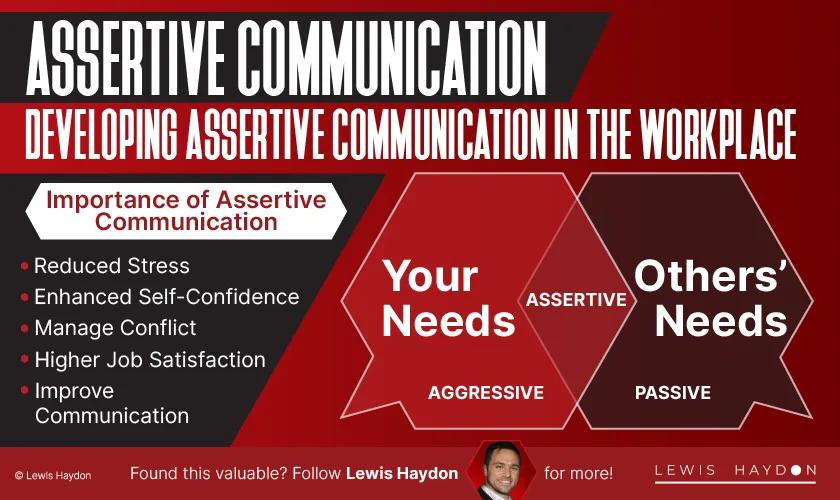
Good communication is essential for strong workplace relationships. Some styles, like aggressive communication, may create conflict, while passive communication can cause confusion. Assertive communication is a better option as it encourages clear, respectful, and honest interactions.
Being assertive allows you to express your needs, set boundaries, and respect others’ opinions. It finds a middle ground between being too passive or too aggressive. Using this approach at work helps improve interactions, build respect, and support teamwork. Here’s how assertive communication can positively impact your professional life.
What is Assertive Communication?
Assertive communication means expressing your thoughts and feelings clearly while respecting yourself and others. It allows you to share ideas, give feedback, receive feedback, and resolve conflicts without bullying, showing aggression, or being passive.
This approach avoids trying to intimidate others and encourages honest, respectful conversations. Being an assertive communicator also means being a good listener, valuing the perspectives of others, and fostering open communication in the workplace.
Importance of Assertive Communication
Learning the assertive communication style can improve both personal and work relationships. Here are some reasons why it is important.
Reduced Stress
Assertive communication helps reduce stress. It allows people to share their thoughts clearly and confidently. This lowers the chance of misunderstandings and conflicts. Speaking assertively supports healthy conversations and makes handling challenges easier.
Enhanced Self-Confidence
Assertive communication helps build confidence and self-esteem. It allows people to share their thoughts, feelings, and needs clearly and respectfully. This confidence supports better decision-making and improves workplace interactions. As a result, employees feel appreciated and heard.
Manage Conflict
Conflicts are a normal part of any workplace. Assertive communication is key to resolving disagreements effectively. Assertive individuals address problems directly and calmly without avoiding issues or acting aggressively. They aim to find solutions that work for everyone, helping to preserve professional relationships.
Higher Job Satisfaction
Assertive communication improves teamwork. It fosters open conversations and builds a supportive work environment. Hearing everyone’s opinions makes team members feel valued. This creates more trust and stronger collaboration.
Improve Communication
Assertive communication allows employees to share their messages clearly. This helps prevent misunderstandings, builds mutual respect and encourages openness.

Elements of Assertive Communication
Assertive communication requires specific elements to work well. These ensure messages are clear, respectful, and confident.
Clarity
Use simple words and get to the point. Clear messages are easier to follow. Do you want to sound fancy or make sense? If it’s the second, keep your language simple.
Honesty
Honesty is about being truthful and clear about your thoughts. It helps build trust and shows reliability. Honest communication lowers conflicts and misunderstandings.
Body Language
Your body language, tone, and eye contact should align with your message. Non-verbal cues support what you say. For instance, consistent eye contact shows confidence and a relaxed posture signals openness.
Confidence
Confidence means trusting yourself and your message. Speak clearly and stand straight to show you are sure of yourself. Even if you feel nervous, act confident. This makes others view you as trustworthy and capable.
Facts
Facts are crucial for clear communication. They offer trustworthy information people can rely on. Sharing factual details strengthens your message. Always check that the information you share is accurate to prevent spreading misinformation.
Active Listening
Assertive communication means expressing yourself clearly while also listening to others. Active listening requires giving full attention, understanding their perspective, and responding carefully.
A Calm Voice
Keep your voice calm to maintain a productive conversation. Speak steadily and avoid raising your tone, even in emotional moments. A composed tone promotes respect and helps keep the focus on solving the problem. It also makes you seem approachable and understanding.
Assertive Communication Techniques
Here are a few examples of the most effective assertive communication techniques:
Fogging
This helps you handle criticism without feeling anxious or defensive while also avoiding being influenced by someone with bad intentions. Assertive communication means acknowledging the feedback and admitting there might be some truth to it but not rushing to conclusions. For instance:
“You may be right that I could be clearer when sharing information.”
Workable Compromise
If your self-respect is intact, you can find a fair compromise.
For example: “I see you want to talk, but I need to finish this first. Can we chat in 30 minutes instead?”
Negative Inquiry
This helps you handle criticism from people close to you. If someone says something critical, ask questions to understand it better. Only consider it if you think it’s fair. For example, “Are you saying I don’t listen enough?”
Repeated Assertion
If someone ignores your request, restate it calmly and clearly. For example, you can respond to a pushy salesperson with:
- “No, I’m good.”
- “Not interested, thanks.”
- “I don’t need it right now.”
Developing Assertive Communication in the Workplace
Assertive communication is key to strong workplace relationships. It allows you to express your needs and opinions clearly while respecting others. This style encourages teamwork and reduces confusion. Practicing assertiveness helps create a space where everyone feels heard and valued. Honest and clear communication improves collaboration and productivity. Focusing on this skill can make interactions more effective and professional.
Tips to Help You Develop Assertive Communication in the Workplace
Here are some simple tips to build assertive communication skills at work. Using these in daily interactions can encourage respect and improve teamwork.
Use “I” Statements
Use “I” statements to share your feelings and needs without blaming others. For instance, say, “I feel overwhelmed when I’m given last-minute tasks,” instead of, “You always give me tasks at the last minute.” This helps avoid defensiveness and promotes open communication.
Asking for Feedback
Feedback helps you see how others view your communication. Ask clear questions to learn what works and what needs improvement. This shows you’re open to growth and encourages helpful discussions. Use the feedback to improve your skills over time.
Set Boundaries
Saying “no” is a key part of being assertive. It helps you set boundaries and prioritize your time and energy. Politely declining requests that stretch you too thin shows self-respect and helps you avoid burnout. Saying “no” isn’t unkind—it’s being honest about what you can handle.
Practice Eye Contact
Making eye contact shows confidence and helps build connections. It shows you are paying attention and involved in the conversation. Practice often so it feels natural. Avoid staring, as it can make others uneasy. Instead, keep your gaze steady and relaxed.
Rehearse Your Conversations
Practice can help you feel more confident and communicate better. Rehearsing in front of a mirror or with a friend lets you refine what you want to say and predict reactions. Being prepared can help you feel calmer during conversations.
Maintain Emotional Control
Stay calm to communicate assertively. Letting emotions take over can confuse your message and lead to misunderstandings. Pause and take deep breaths to stay in control and express yourself clearly and respectfully.
Assertive Communication vs Passive Communication
Passive communication is the opposite of assertive communication, as it lacks self-advocacy. It focuses only on the needs of others, ignoring your own. This can lead to others taking advantage of you and feeling like you have little control over your life. However, in a toxic work environment, passive behavior may sometimes be necessary to cope.